Section 03
Detection
Finding the disease before it announces itself is a problem of physics, of technique and of judgement, and the three did not advance together. This section also carries the one argument on this site where the evidence is genuinely contested.
5 entries · How it is looked for, and the argument about that.
Entries in this section
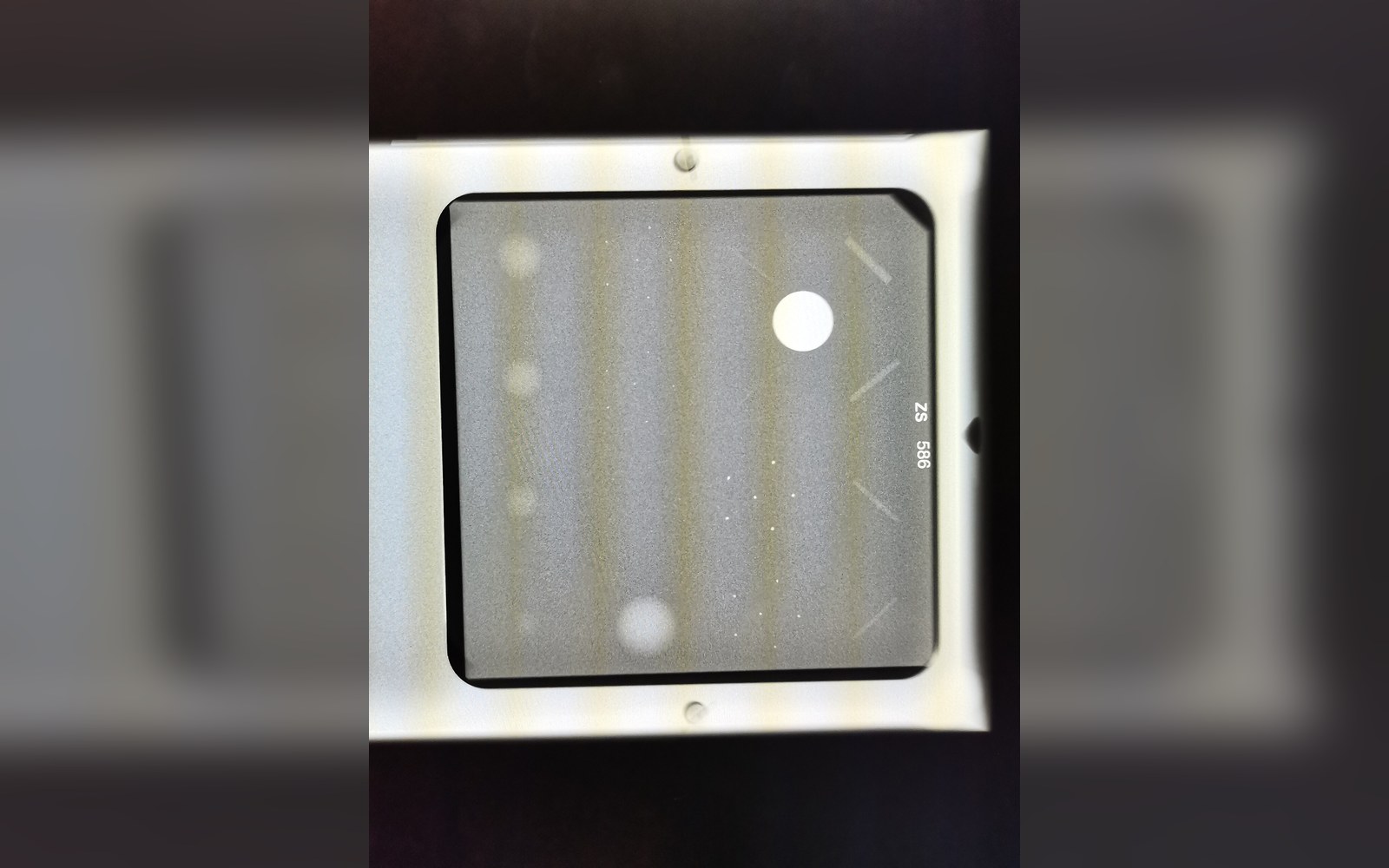 03.1 Mammographic technique
Robert Egan standardised exposure and positioning in the late 1950s, which is what turned an unreliable picture into a usable one.
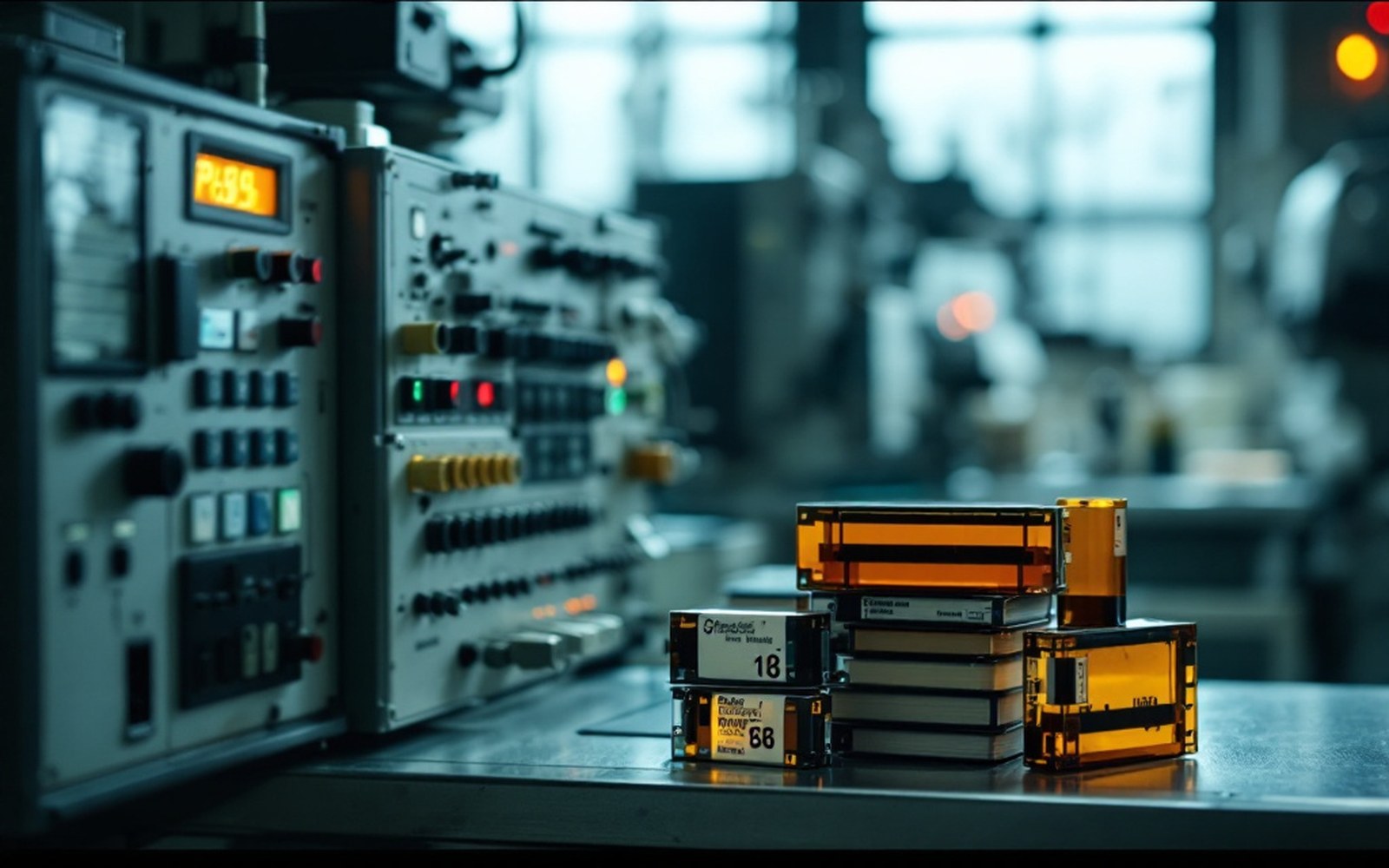 03.2 Film to digital
Replacing film with a detector changed the dose, the storage and what could be done to the image afterwards.
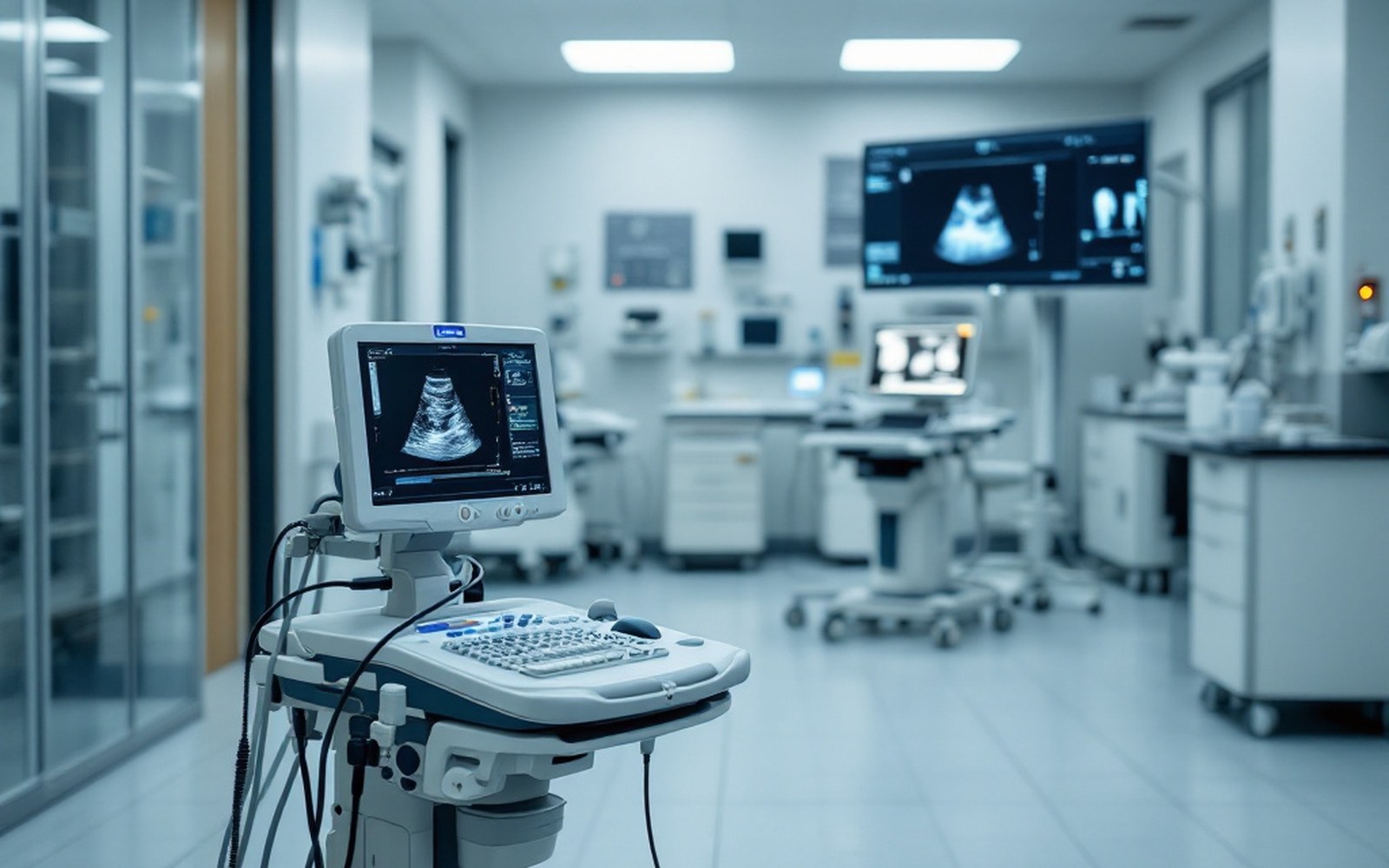 03.3 Ultrasound and MRI
One reads echoes and the other listens to atoms in a magnetic field; neither casts a shadow, which is why they see different things.
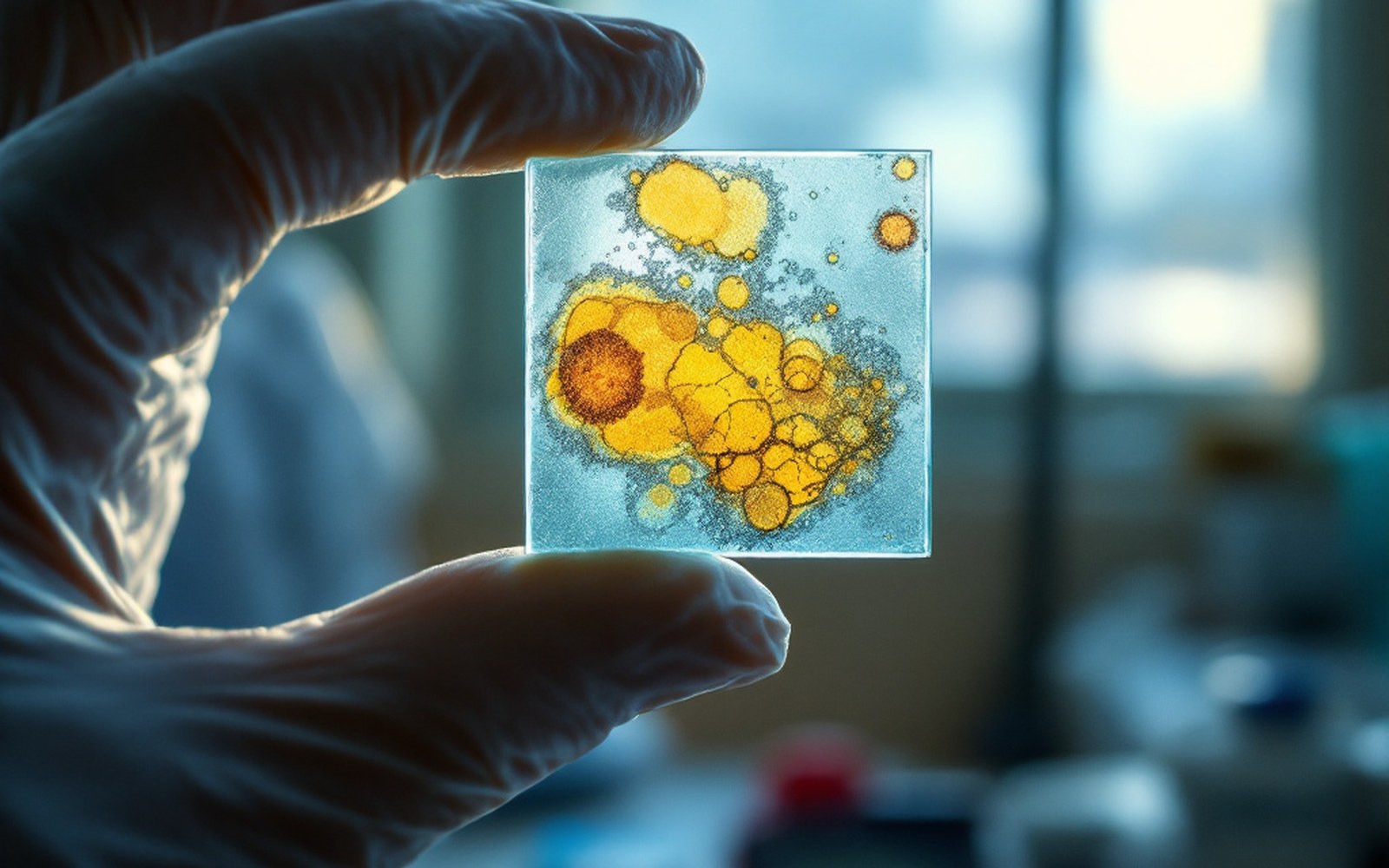 03.4 The pathology slide
The final answer is a piece of tissue on glass, stained, and looked at by a person.
 03.5 The screening argument
Whether population screening does more good than harm is genuinely contested, and the disagreement is about overdiagnosis rather than about whether the machine works.
Every entry on this site is one thing that was established, and who established it. The complete set is in the register.